
Our story
I watched the same problem from every seat in the room
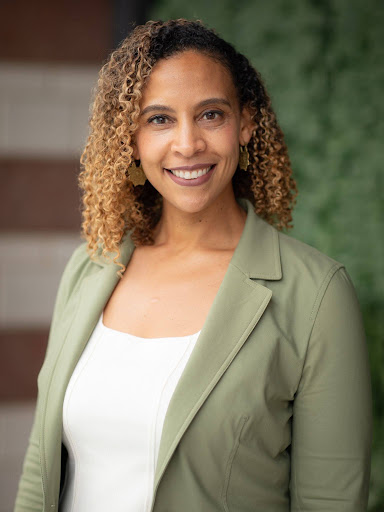
Arianne Graham
Founder & CEO
I sometimes introduce myself as the eldest daughter of two pediatricians who figured out she should never be anyone's doctor. But I've spent my whole career inside healthcare — payer strategy, patient-facing products, life sciences, nonprofit boards — connecting the dots across every part of the system to see how the dollar actually flows. Every seat showed me the same pattern: cash moves too slowly toward the front lines of care.
On the payer side, I learned an uncomfortable truth: providers can be paid faster, but payers have little incentive to move quickly — not villainy, just incentives that point the other way. The 60-to-90-day reimbursement cycle isn't a bug. It's a feature. Every day a payment sits unpaid, that money is earning for someone other than the provider who did the work.
Later, working directly with clinics, trial sites, and small teams running on conviction — and on cash that arrives long after the work does — I saw the human cost up close. When money gets tight, the appointment that quietly disappears is invisible. The nonprofit program that's doing the most good is often the most financially exposed.
One pattern, every angle. The money is good. It's contracted. It's coming. It's just slow — and on the front lines, slow is quietly expensive in a way no balance sheet shows. The cost rarely looks like a crisis. It's the clinician not hired, the location not opened, the program cut because rent is due now. Decisions deferred don't make headlines. They just make less care.
I keep coming back to one distinction: speed of debt versus speed of trust. Debt is what you reach for when the money isn't coming. This is the opposite — you've already earned it, and you're only being asked to wait. You shouldn't have to borrow against revenue that's already yours. You should just get it sooner.
Stream exists to make more health possible — one faster payment, one un-deferred decision, one front-line team at a time.